
Yamaha, originating from Japan, is not only a giant in the musical instrument industry but also owns a diverse range of companies that contribute to its extensive brand portfolio. Founded by Torakusu Yamaha in the late 19th century, the corporation has expanded its reach far beyond its initial focus on pianos and reed organs. While it maintains its position as a leading manufacturer of musical instruments, Yamaha has strategically acquired various companies to bolster its involvement across other sectors, including audio technology, motorcycles, and more.

The corporation’s acquisitions reflect its corporate mission to inspire people with innovation and to create excitement and cultural inspiration together with people around the world. As Yamaha continues to grow, it has garnered a reputation for quality and precision, not just in the realm of music but also in the industries of technology and motorized products. By doing so, they have established a multifaceted business empire, with each subsidiary reinforcing the overarching values and vision of Yamaha.
Key Takeaways
- Yamaha has expanded from its musical roots to own a variety of companies across different industries.
- The company’s growth aligns with its mission to provide innovative, quality products worldwide.
- Yamaha’s history and reputation for excellence remain central to its diverse corporate structure.
Company Overview
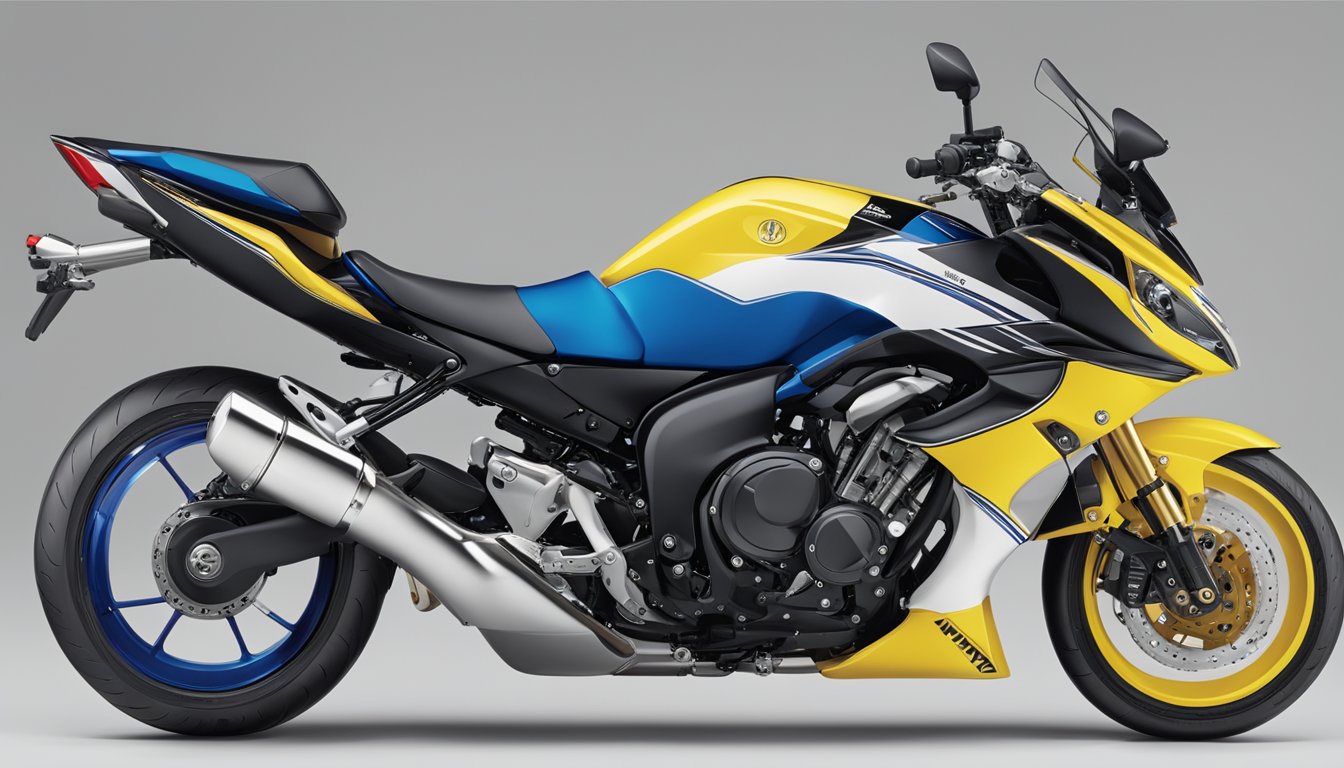
This section delves into the expansive landscape of Yamaha, from its historic origins to its global market presence and innovative strides in various industries.
History and Founders
Yamaha’s journey began with its founder Torakusu Yamaha who established the company in the late 19th century in Japan. The notable figure Genichi Kawakami later propelled Yamaha into a diversified multinational.
Global Presence
Today, Yamaha has a substantial overseas presence, with significant operations in regions like North America, Europe, and Asia. Its sales profile is a reflection of its truly global reach.
Corporate Structure
Yamaha Corporation and Yamaha Motor Co., Ltd. are distinct yet connected entities, with an organizational framework that encompasses numerous subsidiaries and a broad range of products and services.
Business Philosophy
At its core, Yamaha embodies a corporate mission dedicated to creating excitement and culturally enriching experiences worldwide.
Company Information
Headquartered in Cypress, CA, the conglomerate maintains a robust corporate profile and operates under the Red Dragonfly brand, a symbol of excellence and heritage.
Highlight Achievements
Yamaha boasts several landmark achievements, including the development of the Toyota 2000GT and the sponsorship of the iconic racer Kenny Roberts.
Financial Overview
Financially, Yamaha reports consolidated sales and operations figures, reflecting its status as a substantial corporate entity with diverse revenue streams.
Brand and Identity
Renowned for its contributions across various sectors, Yamaha retains a strong brand identity, fostered by ventures like the Yamaha Entertainment Group.
Leadership and Governance
The company’s governance structure has been shaped by visionaries like Genichi Kawakami and continues to evolve with strategic leadership appointments.
Innovation and Development
Yamaha is committed to innovation, notably in motorized products and automobile engines, keeping it at the forefront of technological advancements.
Yamaha’s Social Impact
Through the Yamaha Music Foundation, it supports music educators and provides valuable training opportunities for aspiring musicians.
Yamaha’s Environmental Initiatives
Yamaha takes a proactive stance on environmental conservation, integrating sustainable practices within its operations and product development.
Products and Services
From its origins in musical instruments to a vast array of motorized products, Yamaha’s portfolio is a testament to its dynamic approach to meeting market demands.
Frequently Asked Questions
In answering some of the most common queries about the great extent of Yamaha’s reach, one unravels the fascinating diversity and heritage of a global conglomerate.
Which subsidiaries are operated by Yamaha?
Yamaha’s vast empire encompasses a myriad of subsidiaries, including but not limited to Yamaha Motor Company, known for its motorcycles and marine products, and Yamaha Corporation, heralded for its musical instruments. These entities drive Yamaha’s presence in both the lifestyle and entertainment industries.
What is the history behind the Yamaha Corporation?
The Yamaha Corporation traces its origins back to 1887, starting as Nippon Gakki Company, Limited, with its initial foray into the market through the production of reed organs. Today, it stands as a multifaceted enterprise celebrated for its technological innovations and influence in music.
What range of musical instruments is produced by Yamaha?
Yamaha’s commitment to music has it manufacturing a wide array of musical instruments, including pianos, guitars, drums, brass, and woodwind instruments. Each product demonstrates Yamaha’s dedication to quality and musical excellence.
Can you list the various products manufactured by Yamaha?
Beyond musical instruments, Yamaha manufactures a significant range of products, from professional audio equipment and audiovisual devices to sports equipment and semiconductors. This extensive product lineup showcases Yamaha’s versatility and ingenuity in different sectors.
Is Yamaha involved in both the music and motor industries?
Yes, Yamaha is uniquely positioned in both the music and motor industries. It creates and distributes a variety of musical instruments under Yamaha Corporation and a separate lineup of motorcycles, marine products, and more under Yamaha Motor Co., Ltd., its distinguished affiliate.
How are Yamaha guitars distinct in the music industry?
Yamaha guitars are lauded for their exceptional craftsmanship and innovative design, meeting the needs of both beginner musicians and professional artists. These instruments embody reliability and are recognized for their superior sound and playability within the music industry.