Swift Transportation is a major player in the trucking and transportation industry in the United States. As a subsidiary of Knight-Swift Transportation Holdings Inc., Swift Transportation boasts a significant presence in the logistics and shipping sector. Acquisitions have strategically expanded the company’s reach, with notable purchases including the acquisition of Central Refrigerated Service, a step that solidified Swift’s prowess in temperature-controlled freight.
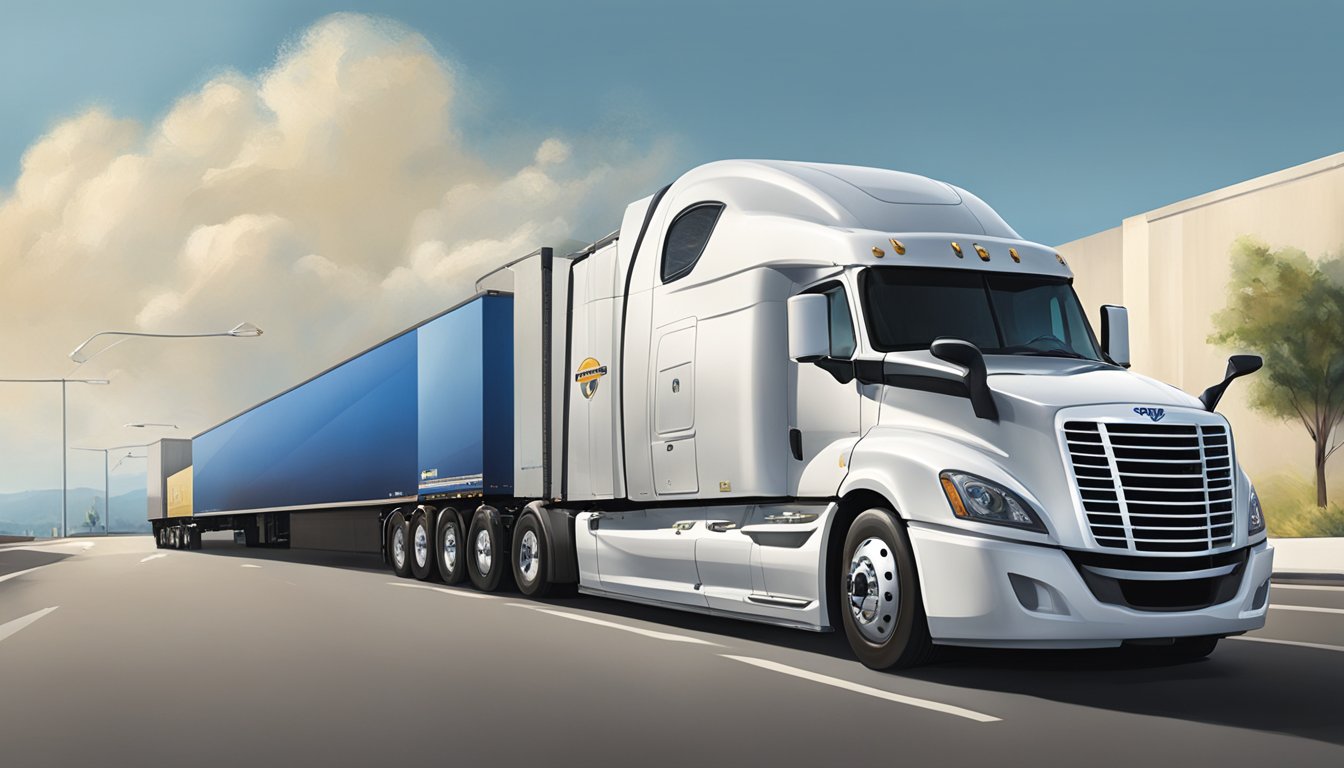
The combined strength of Swift and its affiliates under the Knight-Swift umbrella showcases a robust corporate framework that supports extensive operations across North America. With a large fleet of trucks and a focus on technological integration, Swift is at the forefront of modernizing trucking operations. The company’s growth and sustainability efforts reflect a corporate strategy aligned with contemporary challenges and opportunities in the logistics industry.
Key Takeaways
- Swift Transportation is a key component of Knight-Swift Transportation Holdings Inc.
- Strategic acquisitions have bolstered Swift’s service offerings and market presence.
- Swift emphasizes modern operational practices and corporate responsibility initiatives.
Corporate Structure
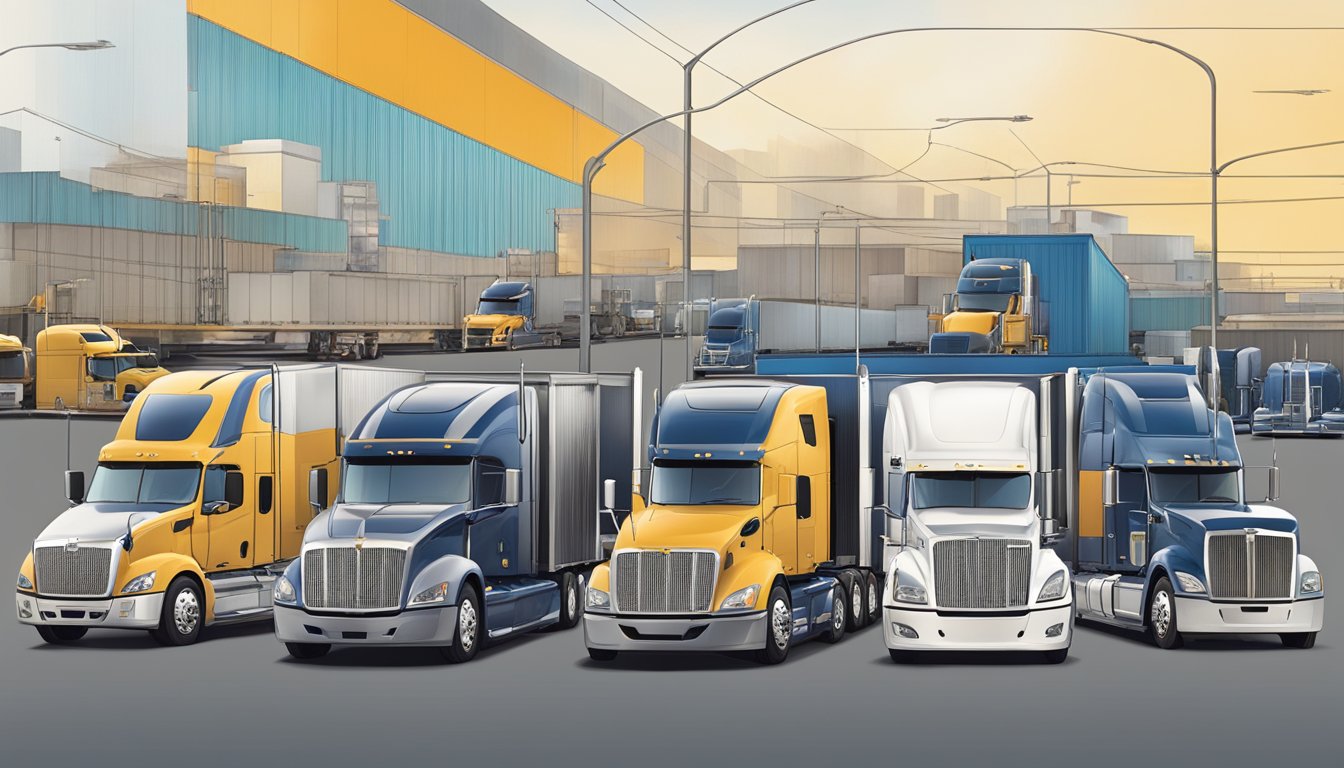
The corporate structure of Swift Transportation is well defined following its merger with Knight Transportation, creating a large, comprehensive entity in the transportation and logistics industry. Understanding the intricacies of this structure provides insight into how its subsidiaries operate within the larger framework.
Swift Transportation
Swift Transportation began as a transportation leader based in Phoenix, Arizona, offering a broad array of freight and logistics services. It operates as part of the larger entity Knight-Swift Transportation Holdings Inc, which was established following the strategic merger of Swift and Knight.
Knight-Swift Transportation Holdings Inc
Knight-Swift Transportation Holdings Inc (KNX), an amalgamation of two key players in the trucking and logistics sector, represents one of North America’s largest truckload carriers post-merger. The deal, with headquarters still in Phoenix, allowed both brands to continue operating under their established identities.
Subsidiaries and Acquisitions
Since joining forces, Knight-Swift has made strategic acquisitions to strengthen its market position. Details on these subsidiaries and acquisitions show how the company has expanded its service offerings and geographic reach, although specific subsidiary companies and the nature of such acquisitions were not provided in the search results.
Executive Leadership
https://www.youtube.com/watch?v=YNM–1H6Q4M&embed=true
Swift Transportation’s leadership dynamics reflect its strategic business direction under eminent executives and the influence of its founders. The executive team steers the company through the evolving freight and truckload sector.
Founders
Swift Transportation was founded by Jerry Moyes, who started the company with a single truck, shaping it into one of North America’s largest full truckload carriers. Together with Kevin Knight and Randy Knight, Jerry Moyes laid the groundwork for what would become a transportation empire, setting the tone for the company’s growth and values.
Key Executives
The top-tier executive leadership at Swift Transportation consists of notable individuals who drive the company’s operations. Adam Miller serves as the President, contributing to the company’s strategic vision and operational execution. As part of the merger with Knight Transportation, which led to the creation of Knight-Swift, David Jackson took on the role of CEO, providing direction for the combined entities. The financial stewardship rests in the hands of the CFO, who works alongside other directors to manage the company’s fiscal matters. Strengthening the leadership structure, an Executive Chairman oversees corporate governance, ensuring that Swift sustains its industry position.
Swift Transportation not only honors its history through its founders’ legacy but also continuously evolves with a strong executive team dedicated to leading the company forward in a complex and competitive marketplace.
Financial Overview
In this financial overview of Swift Transportation, readers will gain insight into the company’s earnings and market standing. The information is framed to align with Swift’s reported financial health and its influence in the transportation industry.
Revenue and Profit
Swift Transportation, recognized for its expansive fleet and logistic services, enjoys a robust financial profile with its annual revenues soaring. The company’s merger with Knight Transportation bolstered its financial stature, significantly impacting its revenue streams. It is worth noting that the combined entity trades under the ticker symbol ‘KNX’ on the New York Stock Exchange (NYSE). As of their latest reporting, Swift Transportation reported a remarkable upturn in profit, showcasing the effectiveness of their business model and operational efficiency.
Market Presence
Swift Transportation not only commands a significant presence on the road but also on the trading floor. With its initial public offering (IPO) successfully injecting upwards of $25 million into the company’s capital, Swift has fortified its market presence. Shares of Swift are actively traded by shareholders on the NYSE, reflecting confidence in the company’s growth and strategic direction. This activity also influences the company’s ability to expand and sustain its leading position in the trucking and freight transportation sectors across North America.
Operations and Fleet
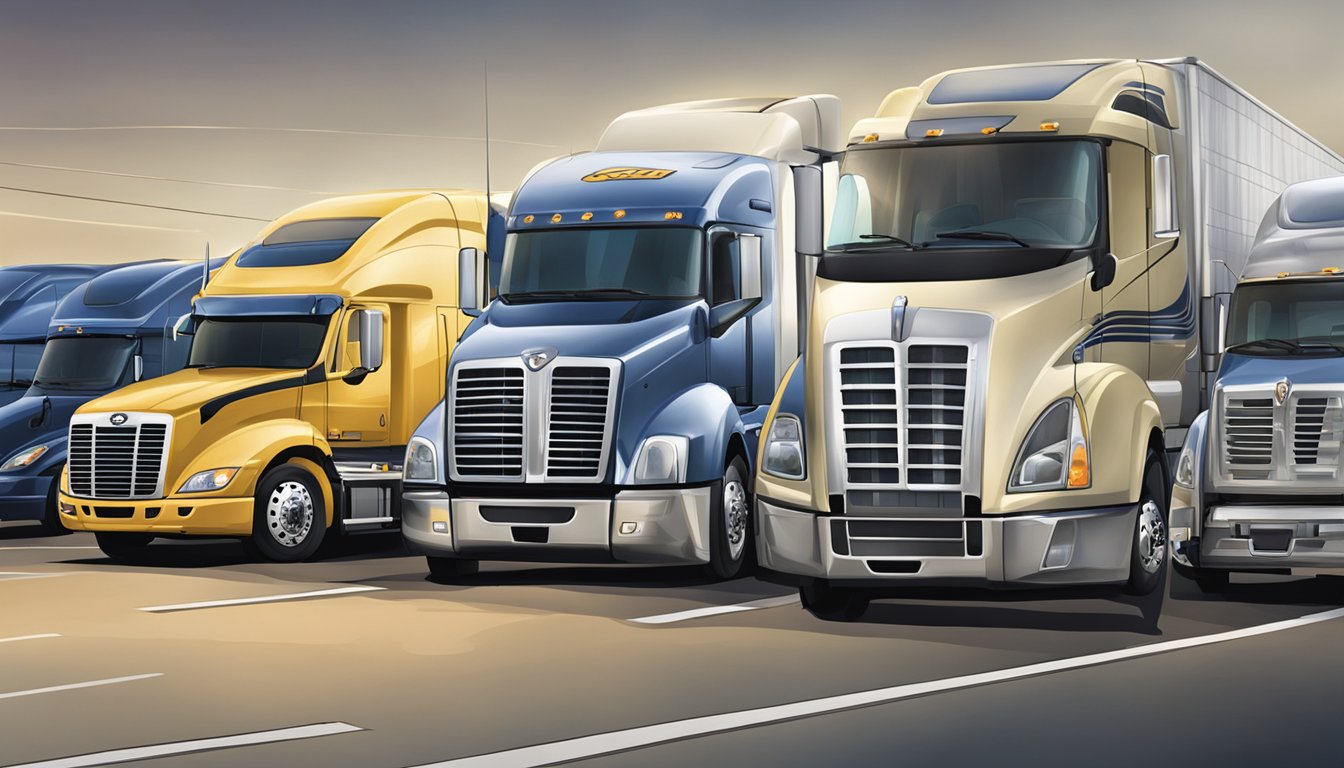
Swift Transportation orchestrates a vast network of transportation services, bolstered by a considerable fleet and a focused operations strategy, ensuring efficiency and reliability in the logistics sphere.
Tractors and Trailers
Swift Transportation operates a substantial fleet composed of approximately 23,000 tractors, essential for the company’s robust transportation offerings. They maintain a diverse array of 77,000 trailers, which facilitates the movement of goods across various industries and categories. The fleet includes a mix of company-owned and owner-operator tractors, giving them flexibility to scale operations as needed.
Operating Metrics
A key indicator of operational efficiency for Swift Transportation is their operating ratio, a significant metric for assessing financial performance in the transport sector. Swift’s commitment to maintaining a low operating ratio reflects their emphasis on cost control and operational efficiency. This balance allows Swift to deliver competitive pricing while sustaining service quality in their freight and logistics operations. The integration of tractors and trailers with optimized routes and schedules is central to achieving favorable operating metrics.
Strategic Expansion
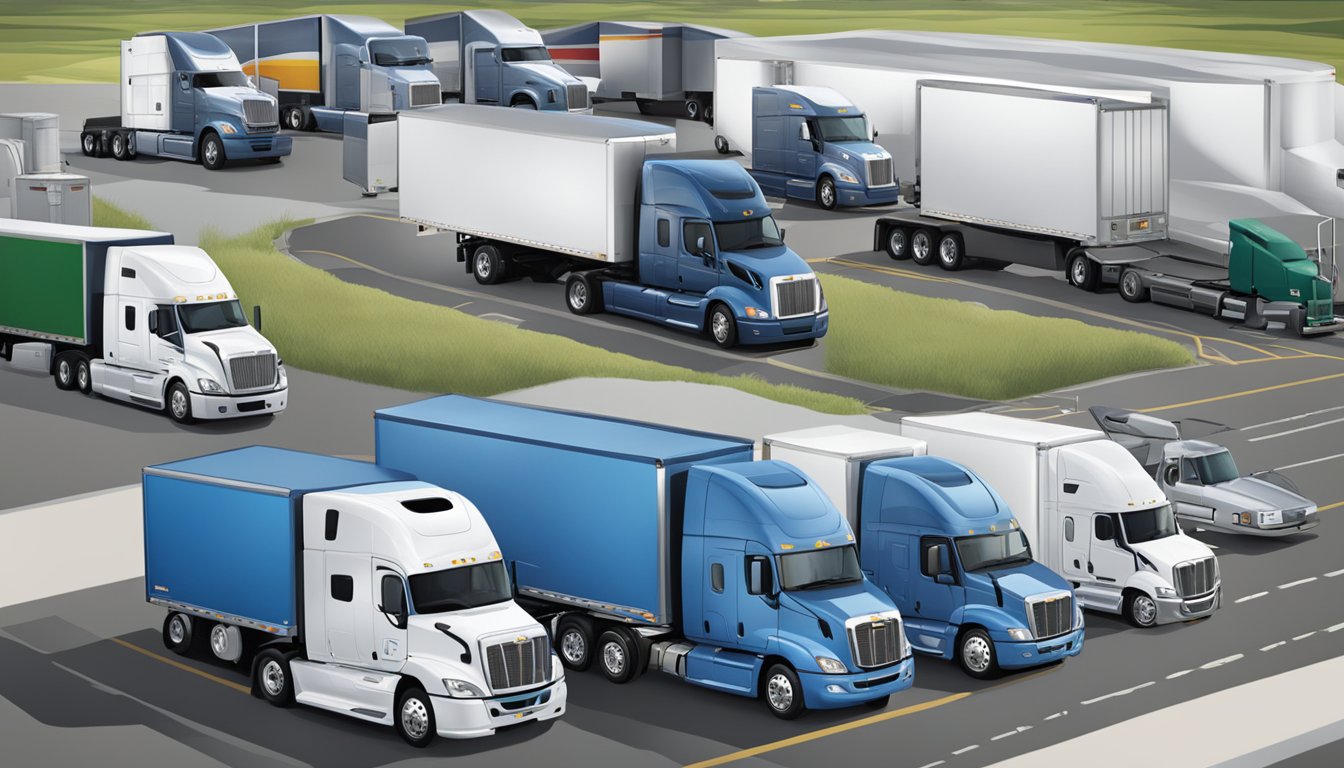
Swift Transportation’s strategic expansion has been marked by key acquisitions and mergers that have strategically positioned the company as a dominant player in the trucking industry. This ambitious growth has allowed Swift to cater to a broader customer base and leverage synergies between the acquired entities.
Mergers and Growth
In a move that significantly altered the trucking landscape, Swift completed a merger with Knight Transportation. This merger created one of the top trucking companies by revenue and established a combined entity known as Knight-Swift Transportation Holdings. It allowed Swift to utilize Knight’s strong reputation and the Knight family’s leadership, which has been instrumental in the growth of both companies.
The acquisition of Cooper Motor Lines and M.S. Carriers are other examples of Swift’s expansion efforts. These strategic decisions have consistently increased Swift’s capacity to serve an ever-growing customer base. Through careful integration, Swift has maintained distinct brands under its corporate umbrella while achieving operational efficiencies.
Market Penetration
Swift has also expanded its footprint across North America by moving into the Mexico market through the establishment of Trans-Mex, a subsidiary that enhances service offerings into and out of Mexico. Further, the company’s entry into various market segments was amplified by the acquisition of a portion of Con-way’s truckload operations, which broadened Swift’s service capabilities.
Through these strategic initiatives, Swift not only expanded its physical presence but also improved its market penetration, ensuring that the growing demands of their customers are met. The company’s commitment to growth through acquisitions, while still promoting the unique strengths of its distinct brands, has been central to its strategy.
Regulatory and Industry Landscape
In the highly regulated trucking industry, companies must navigate a complex web of compliance requirements while maintaining a competitive edge. Swift Transportation, as a dominant player in this sector, not only adheres to stringent laws but also keeps a close eye on industry dynamics and the performance of other leading truckload carriers.
Compliance
Truckload carriers, including Swift Transportation, operate under rigorous regulatory standards to ensure safety and fair competition. In both the United States and Canada, a common market for the trucking industry, carriers face constant scrutiny regarding their compliance with hours of service, transportation of hazardous materials, and vehicle maintenance protocols. With its headquarters in Phoenix, Arizona, Swift has to consider state-specific regulations in addition to federal ones. Moreover, best practices recommend that companies like Swift, along with peers such as Schneider National and XPO Logistics, remain vigilant about changes in laws that could impact operations across different states, from Los Angeles, California to provinces across Canada.
- Hours of Service: Regulated driving hours to prevent fatigue
- Hazardous Materials: Special permits and handling procedures required
- Maintenance: Regular inspections and repairs to ensure safety
Competitive Analysis
The trucking industry in North America is a competitive arena, with each company striving to improve service and operational efficiency. Swift, as one of the truckload carriers at the forefront, competes directly with giants like Schneider National and XPO Logistics. Analyzing market shares, operational routes, fleet sizes, and service offerings, Swift must distinguish itself by leveraging its extensive fleet and expertise. Focusing on strategic markets such as intermodal transport and dedicated services, Swift and its competitors constantly assess the industry landscape to optimize their position.
- Competitive Factors:
- Market Share: Determined by the number of routes and contracts
- Fleet Size and Variety: Including specialized vehicles for diverse cargo
- Operational Efficiency: Streamlined logistics from loading to delivery
In summary, a trucking company’s success lies in its ability to remain compliant with industry regulations while innovatively outperforming competitors in a shared marketplace.
Investor Relations

Investor Relations is a key aspect of maintaining transparency between Knight-Swift Transportation Holdings Inc., the parent company of Swift Transportation, and its stakeholders. This section provides up-to-date information regarding the company’s stock performance and financial health.
Stock Information
Shares of Knight-Swift Transportation Holdings Inc. are publicly traded on the New York Stock Exchange (NYSE) under the ticker symbol KNX. Shareholders can track stock activity and gain insights into the company’s market performance. Investor Relations NYSE: KNX provides timely updates, including changes in share price and voting power distributions pertinent to investors’ interests.
Financial Reporting
Knight-Swift Transportation Holdings Inc. diligently reports its financial outcomes. Stakeholders can review detailed information on operating income, net income, and total assets in the quarterly and annual reports. These documents are essential for assessing the company’s financial position and growth trajectory. For the latest quarterly results, investors can refer to the Q3 2023 Financial Results, which includes a presentation of earnings, a quarterly filing, and details from the latest earnings conference call.
Operational Best Practices
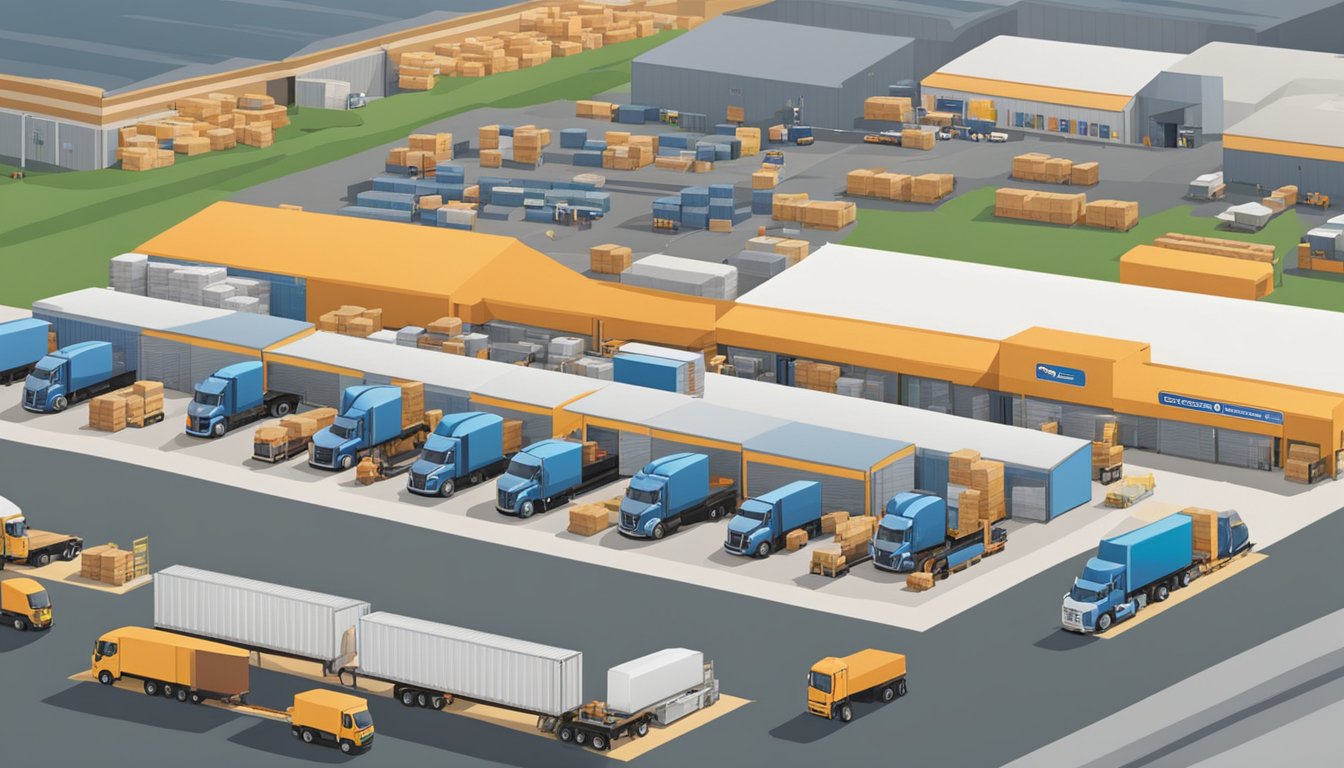
In the world of trucking, operational efficiency hinges on implementing best practices that enhance sustainability and foster strong employee relations. Swift Transportation, with its expansive fleet of trailers, including dry vans, has positioned itself as an industry leader through focused initiatives and a commitment to its 28,000 employees and drivers.
Sustainability Initiatives
Swift Transportation has made sustainability a core part of its operations. They’ve invested heavily in fuel-efficient trailers to reduce carbon emissions. By incorporating aerodynamic designs and lightweight materials, their trailers minimize fuel consumption, which is not only environmentally responsible but also cost-effective.
Employee Relations
They prioritize the well-being of their employees and drivers—Swift’s backbone. Their comprehensive training programs ensure drivers are skilled in best practices, enhancing safety and efficiency on the road. Offering a supportive work environment, Swift wishes to attract and retain top talent within the highly competitive trucking sector. With dedicated employee engagement activities, Swift has built a community that values each individual’s contribution to the company’s success.
Technological Advancements
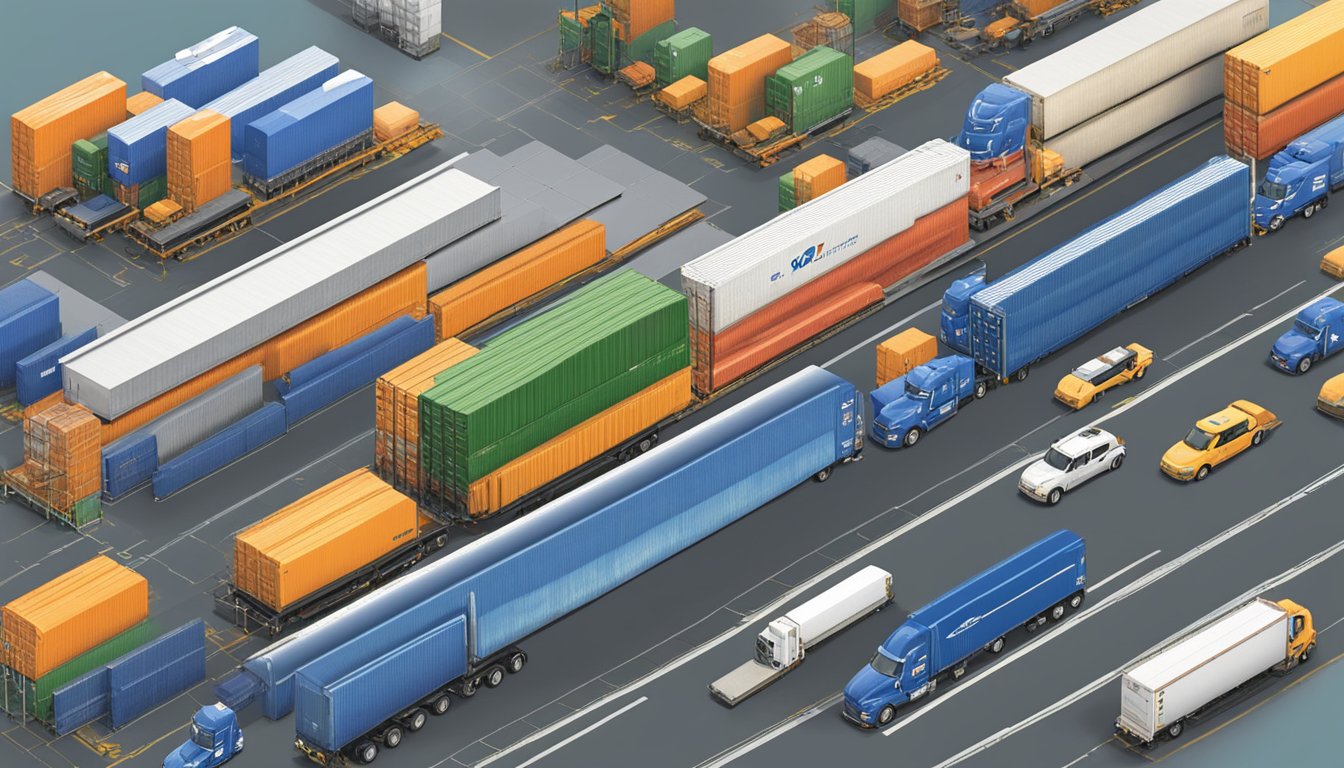
Swift Transportation, as a leading company in the trucking industry, has incorporated a range of advanced technologies to optimize their operations. These technological investments are pivotal in refining the company’s operating ratio and supporting the consolidation strategies within the trucking sector.
Logistics Technology
Swift Transportation’s investment in logistics technology has modernized their approach to the e-commerce boom, streamlining truckload operations to meet growing demand. They have implemented innovative in-cab equipment to enhance driver experience and efficiency. This includes on-board tablets that facilitate real-time data transmission between drivers and dispatch.
Data Analytics
Through the use of data analytics, Swift has gained a competitive edge in the industry. Their analytics platforms process vast amounts of data to optimize route planning and improve the operating ratio. The company’s focus on analytics supports strategic consolidation efforts, presenting a comprehensive overview of operations to identify potential synergies and efficiency gains.
Corporate Social Responsibility
https://www.youtube.com/watch?v=1bpf_sHebLI&embed=true
Swift Transportation demonstrates a commitment to corporate social responsibility, with specific focus on community engagement and environmental stewardship. The transportation giant recognizes its influence and responsibility towards its employees, drivers, customers, and the integration with Knight-Swift.
Community Engagement
Swift Transportation actively strives to create a positive impact within the communities it operates. Employees and drivers are encouraged to participate in local events and volunteer programs. The company’s initiatives aim to bolster community relations and to support local development, reflecting the values of both Swift and Knight-Swift.
Environmental Policies
Swift Transportation’s environmental stewardship is evident through robust environmental policies. The company has implemented strategies to reduce emissions and to improve fuel efficiency across its fleet. They focus on using technology for reducing the carbon footprint, supporting Knight-Swift’s vision of a cleaner transportation industry. Initiatives include investing in newer, more efficient trucks and encouraging best practices among drivers for minimizing environmental impact.
Looking Ahead
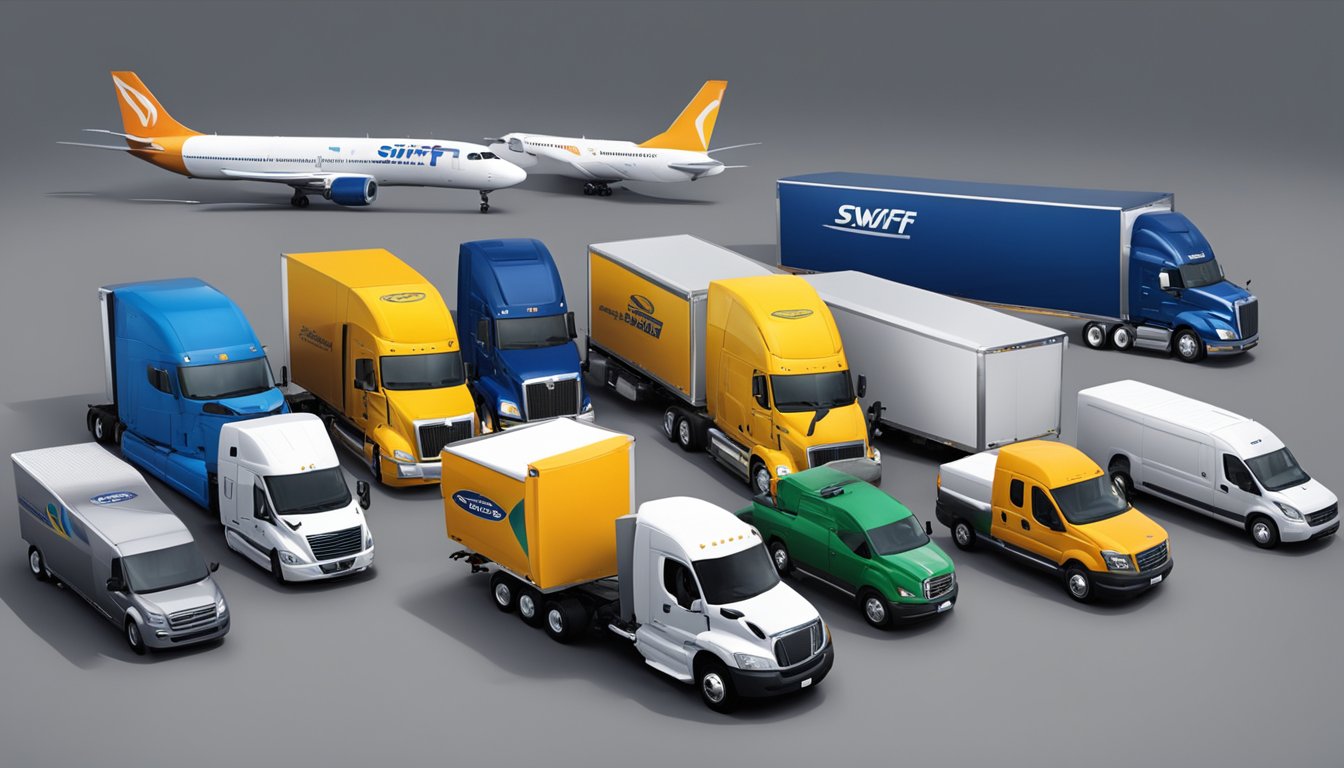
With an eye on the evolving landscape of the trucking industry, Swift Transportation stands at a pivotal junction where its strategic decisions can leverage economies of scale and substantially impact its growth, operating income, and net income.
Industry Forecasts
The trucking industry is expected to see continued growth, especially as economies expand and require more transportation services. Forecasts indicate that companies like Swift Transportation could benefit from an increased demand for logistics, especially if they continue to optimize their operations for economies of scale. In the third quarter, companies are typically looking to enhance their operating income by streamlining their processes and expanding their fleet to accommodate the growing needs of the market.
Company Projections
Projections for Swift Transportation suggest a focus on increasing net income while maintaining a robust operating income. They appear committed to growth, not just through expansion but also by integrating technology to improve efficiency and reduce costs. By doing so, Swift anticipates not only to meet but exceed the demands of the market, setting them up to be a leader in the trucking industry moving forward.
Frequently Asked Questions
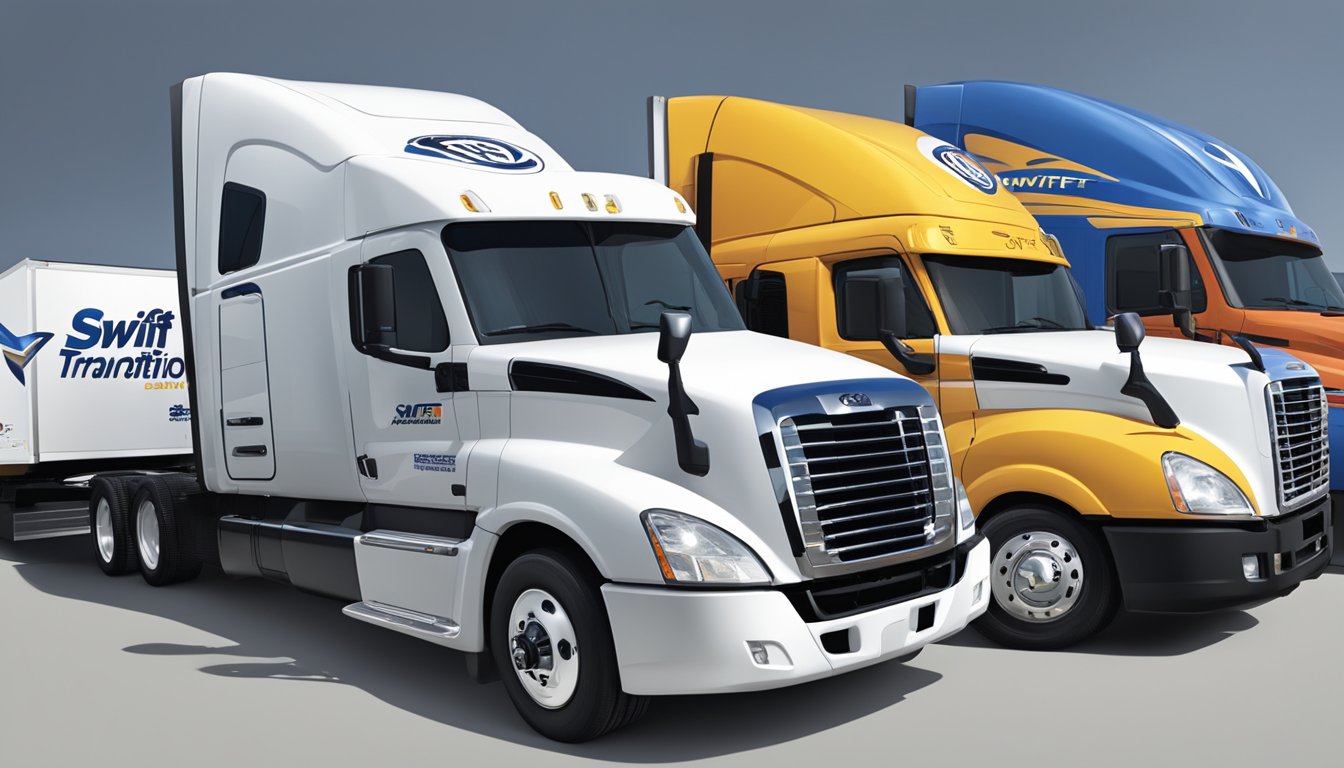
Swift Transportation, a market leader in the trucking industry, holds a reputation for its significant fleet size and extensive operations across North America. They have a history of strategic mergers and acquisitions that bolster their service offerings and market presence.
Who currently holds the position of CEO at Swift Transportation?
The CEO of Swift Transportation orchestrates the company’s strategic direction and daily operations, maintaining its status as a major player in the transportation sector.
What kind of cargo is typically transported by Swift Transportation?
Swift Transportation specializes in moving a diverse range of cargo, ensuring that goods are delivered safely across extensive road networks in the United States.
Can you provide an estimate of Swift Transportation’s net worth?
The net worth of Swift Transportation reflects its financial strength and market influence as a leading carrier within the logistics and transport industry.
How extensive is Swift Transportation’s fleet size?
Swift Transportation boasts an impressively large fleet, underpinning its capacity to meet the freight demands of its widespread customer base throughout North America with over 23,000 trucks.
What companies has Swift Transportation merged with or acquired?
The merger between Knight Transportation and Swift Transportation in 2017 stands out as a significant consolidation in the industry, expanding Swift’s capabilities and operational footprint.
Among the trucking companies in the US, where does Swift Transportation rank in size?
Among U.S. trucking companies, Swift Transportation is recognized as the largest common carrier based on the size of its fleet and the scope of its operations.